
If you are planning a litter, you know that timing is everything. Whether you are an experienced breeder or planning your dog’s very first litter, the difference between a successful pregnancy and a missed opportunity often comes down to a matter of days—sometimes even hours.
At North Hill Veterinary Clinic, we understand the emotional and financial investment involved in breeding. That is why we offer professional Progesterone Testing to take the guesswork out of the equation.
Here is what you need to know about the process and what to expect when you visit us.
Why is Progesterone Testing Important?
In the past, breeders relied on physical signs (like flagging or swelling) or counting days from the start of the heat cycle to determine when to mate. However, every dog is unique. Some ovulate early in their cycle, while others ovulate quite late.
Progesterone is a hormone that rises in the blood as a dog’s heat cycle progresses. By tracking these levels, we can scientifically pinpoint:
The Exact Fertile Window: Identifying the precise time of ovulation to maximize the chances of conception.
Litter Size: Proper timing ensures the eggs are mature enough to be fertilized, often leading to larger, healthier litters.
Projected Whelping Dates: Knowing exactly when ovulation occurred allows us to calculate the due date with high accuracy. This is vital for planning, especially if a Caesarean section is anticipated.
Travel Planning: If you are shipping semen or traveling interstate to a stud dog, testing saves you from wasted trips and missed connections.
What to Expect During Your Visit
We aim to make the testing process as smooth and stress-free as possible for both you and your dog. Here is a step-by-step guide to how it works at North Hill Veterinary Clinic.
1. When to Book
We generally recommend booking your first appointment around Day 5 to Day 7 of your dog’s heat cycle (counting from the first sign of blood or swelling). However, if your dog has a history of early or late ovulation, please let our team know so we can adjust the schedule.
2. The Consultation
When you arrive, our veterinary team will do a quick general health check. This is a great time to discuss your breeding plans, whether you are doing a natural mating, artificial insemination (AI), or using frozen semen.
3. The Blood Draw
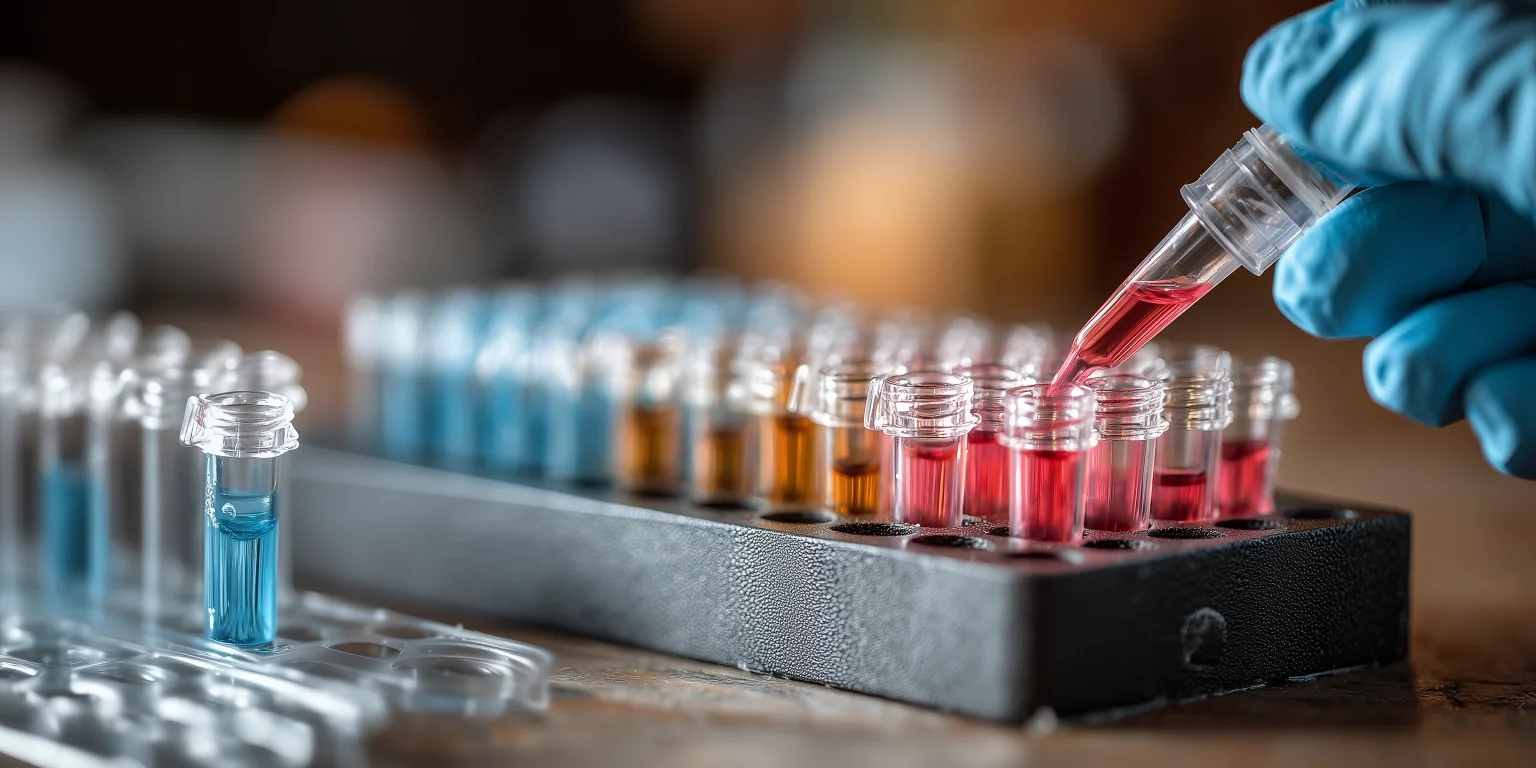
The test requires a small blood sample. Our skilled nurses and vets are experienced in drawing blood quickly and gently, usually from the jugular vein (neck) or the leg. We use low-stress handling techniques to keep your dog calm and comfortable.
4. The Results
Once we have the numbers, one of our Armidale vets will call you to discuss the results.
If levels are low: We will recommend re-testing in 2–3 days.
If levels are rising: We will advise you on exactly when to mate or perform insemination.
It’s Not Just One Number
It is important to remember that progesterone testing is rarely a “one-and-done” visit. Because we are looking for a specific rise in hormone levels (indicating the Luteinizing Hormone surge and subsequent ovulation), you should be prepared for serial testing.
Most dogs require 3 to 4 tests over the course of a week to catch the perfect window. This investment in testing is significantly cheaper than the cost of a missed pregnancy or a “singlet” puppy litter.
Ready to Plan Your Next Litter?
At our Armidale vet clinic, we are passionate about reproductive health and healthy puppies. By using modern science, we can help you achieve the best possible results for your breeding program.