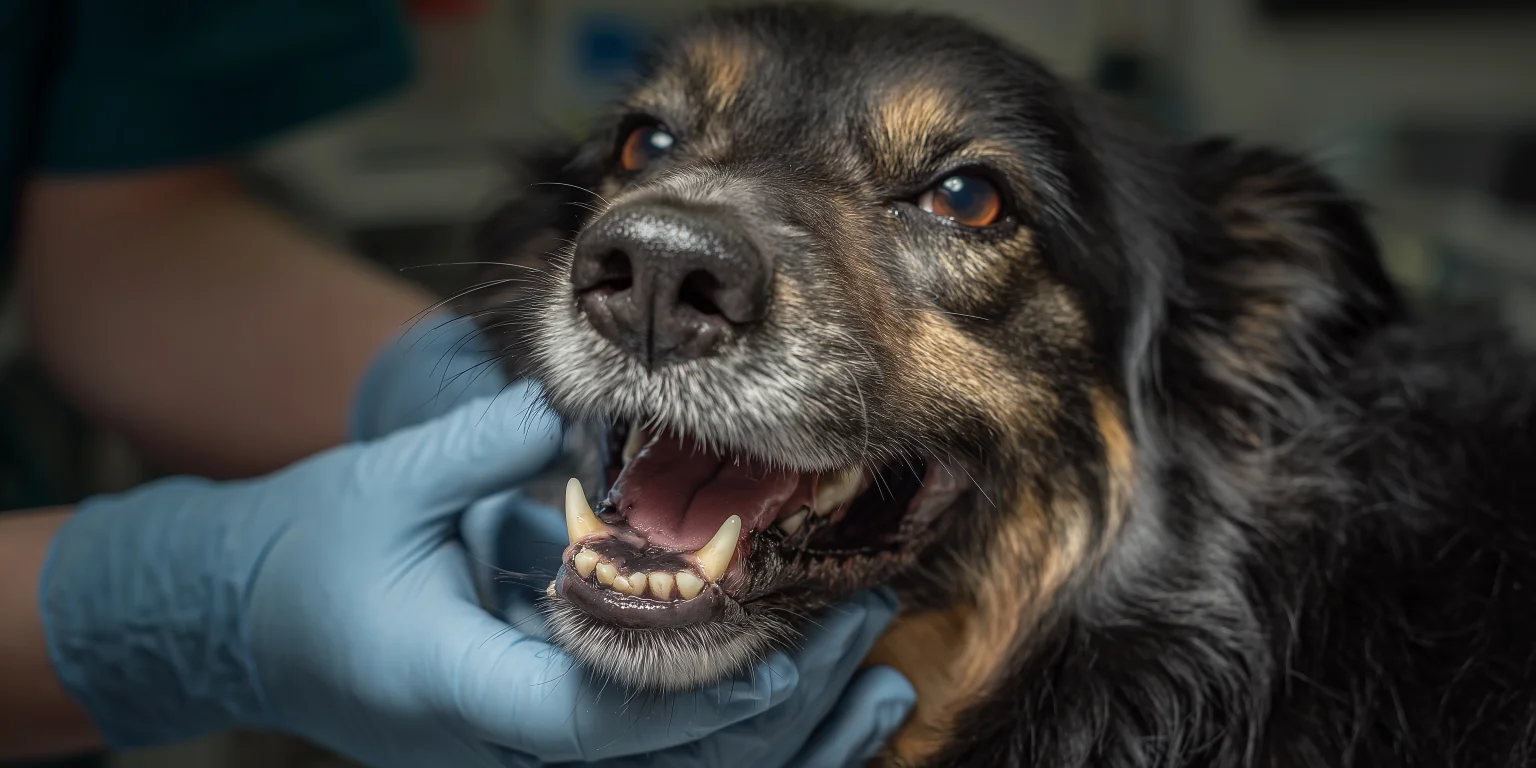
More than 80% of dogs and 70% of cats over 3 years of age suffer from some form of hidden dental disease. Bad breath can be a sign of serious problems lurking below the gumline, such as painful root abscesses and bone loss. Our Armidale veterinary practice is equipped with advanced dental diagnostics, including dental X-rays, which allow us to see what a standard clean misses. Ensure a thorough dental hygiene plan is part of your overall pets health.
Our North Hill Veterinary Clinic Pet Dental Services
In the majority of pets lives, there comes a time when their teeth may require veterinary treatment, over and above their regular examinations.
A pet dental treatment involves:
- Full veterinary pre-operative health assessment.
- Admission and discharge appointments.
- General anaesthetic including intravenous fluids.
- Professional teeth cleaning/de-scaling to remove tartar.
- Charting of the mouth to look for tooth decay, pain and mouth cancers.
- Polishing of the teeth so they shine.
- Advice on home-care and general oral hygiene.
For more information specific to your pet, we encourage you to make an appointment for a dental check up at our veterinary clinic.
Just What is Dental Disease
Dental disease, or what your vet might refer to as “periodontal disease”, is caused by the accumulation of plaque. Plaque is the thin, sticky film that covers teeth and is composed of bacteria and their by-products, saliva, food particles and sloughed epithelial cells. If plaque remains it begins to become mineralised from elements such as calcium and magnesium from within the saliva. Mineralised plaque is called calculus. Calculus is not pathogenic, in itself, but is associated with disease as it provides a nice breeding ground for destructive bacteria.
Plaque irritates the gums at the tooth-gum interface, and the bacteria it contains proliferate in the sulcus (groove) around each tooth. The bacteria and their by-products in the sulcus cause further inflammation
and destruction of the periodontal ligament.
This ligament anchors the tooth in the socket. Inflammatory products are seen as pus oozing from the tooth base, and as the periodontal ligament is destroyed the pocket gets deeper and the tooth looser.
Eventually the tooth fractures or even may fall out, but not before the surrounding alveolar bone is destroyed also. When dental disease is just at the gum inflammation stage it is termed gingivitis.
As the periodontal ligament is destroyed the disease is termed periodontitis. Note that you can reverse the effects of gingivitis with a professional prophylaxis and/or homecare techniques however periodontitis is irreversible.
Dental disease not only causes bad breath, infections can extend into roots and surrounding bone causing significant pain and discomfort. It can also extend further into the blood stream causing diseases in other parts of the body in your pet.
Signs of Dental Disease
There are various signs you can look out for in your pet, these are:
- Bad Breath (halitosis).
- Discoloured or loose teeth .
- Excessive drooling, sometimes blood stained.
- Dropping of food from the mouth when eating, or reluctant to chew or eat at all, especially hard food.
- Pain when handled around the head or behavioural changes (e.g. lethargy, increased aggression, disrupted sleeping patterns).
- Facial swelling.
- Pawing at the mouth.
- Inflamed (gingivitis) or receding gums.
Dental Disease is Preventable
There are many different methods to keep your pets “pearly whites” and these should ideally be started while they are puppies and kittens.
For adult cats and dogs with existing dental disease, a dental treatment with a scale and polish under general anaesthetic is often necessary to get their dental health back in order.
It may also be necessary to remove teeth that are fractured or loose and in certain cases may be followed by treatment with antibiotics to prevent infection, or irritated gums. This will allow us to your pets dental care with a clean mouth and continued at home to hopefully prevent, or slow down dental disease developing in the future.
Prevention and Dental Care at Home
Dental Care can start at home with simple methods such as Teeth Brushing. Pet stores (Our Armidale Clinic included) can provide toothbrushes, chew toys, appropriate dog treats and a dental health plan to help prevent loss of teeth.
- Appropriate Pet Foods – Premium diets with larger, harder dry pet food (kibble) that’s completely balanced are available for both dogs and cats. These foods contain enzymes and ingredients similar to those found in our toothpaste that help to slow the dental disease process and help prevent plaque from forming on the teeth.
- Pet Dental chews – Dental chewing products (such as Oravet) have been shown to work in two different ways: by decreasing overall bacterial loads in your pets mouth and softening plaque on the tooth surface.
- Dental Cleaning by Brushing your Pets teeth – Brushing is the ‘gold standard’ method of keeping your pets teeth clean. We brush our teeth multiple times a day – so start brushing their teeth daily too!