If you have ever watched a medical drama on TV, you have probably heard a doctor shout, “Get me a CBC, stat!” It is the most common blood test performed in both human and veterinary medicine—and for good reason.
At North Hill Veterinary Clinic, the Complete Blood Count (CBC) is often our first step in solving the mystery of a sick pet. While a physical exam tells us what your pet looks like on the outside, a CBC tells us the story of what is happening in their bloodstream.
Whether your pet is here for a routine wellness check or isn’t feeling their best, here is a guide to understanding what we are looking for.
What is a Complete Blood Count?
Blood isn’t just a red liquid; it is a living “soup” filled with millions of microscopic cells, each with a specific job. A CBC doesn’t check the organs (like the kidneys or liver—that’s Biochemistry); instead, it counts and analyzes the cells themselves.
1. Red Blood Cells (RBCs)
The Job: These are the delivery trucks. They carry oxygen from the lungs to the rest of the body.
What we look for: We measure how many there are (the Hematocrit or PCV).
Too Low: This is called Anemia. It means your pet isn’t getting enough oxygen, which causes tiredness and pale gums.
Too High: This usually indicates Dehydration (the blood is too thick because there isn’t enough water).
2. White Blood Cells (WBCs)
The Job: This is the army. These cells fight infection and inflammation. There are five different types of “soldiers” (Neutrophils, Lymphocytes, Monocytes, Eosinophils, and Basophils), and each targets a different enemy.
What we look for:
High Count: Usually suggests an infection, inflammation, or extreme stress.
Low Count: Can indicate a viral issue or a bone marrow problem where the body can’t produce enough soldiers.
3. Platelets
The Job: The repair crew. When a blood vessel is damaged, platelets rush to the scene to form a plug (a scab).
What we look for: We ensure there are enough platelets to stop bleeding if your pet gets a cut or undergoes surgery.
When Do Our Armidale Vets Recommend a CBC?
Because the blood interacts with every tissue in the body, a CBC gives us a broad overview of general health. We typically recommend it in three scenarios:
The “Sick Pet” Exam: If your pet has a fever, is vomiting, or seems lethargic, a CBC helps us determine if it is an infection, anemia, or something else.
Pre-Surgical Safety: Before we perform surgery (like a dental or de-sexing), we need to know that your pet has enough Red Blood Cells to carry oxygen during anesthesia and enough Platelets to clot afterward.
Geriatric Screening: For older pets, a CBC helps us catch chronic low-grade conditions early, before your pet starts showing obvious symptoms.
What to Expect During Your Visit
1. The Collection
Just like with our other blood tests, the process is quick and minimally invasive. We draw a small amount of blood, usually from the jugular vein.
Note: Unlike Biochemistry (organ testing), a CBC is not strictly affected by food. However, if we are running full bloods (CBC + Biochemistry), we will still ask you to fast your pet for 8-12 hours.
2. The Analysis
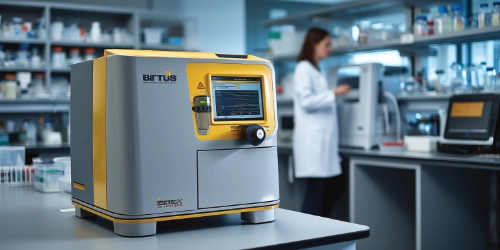
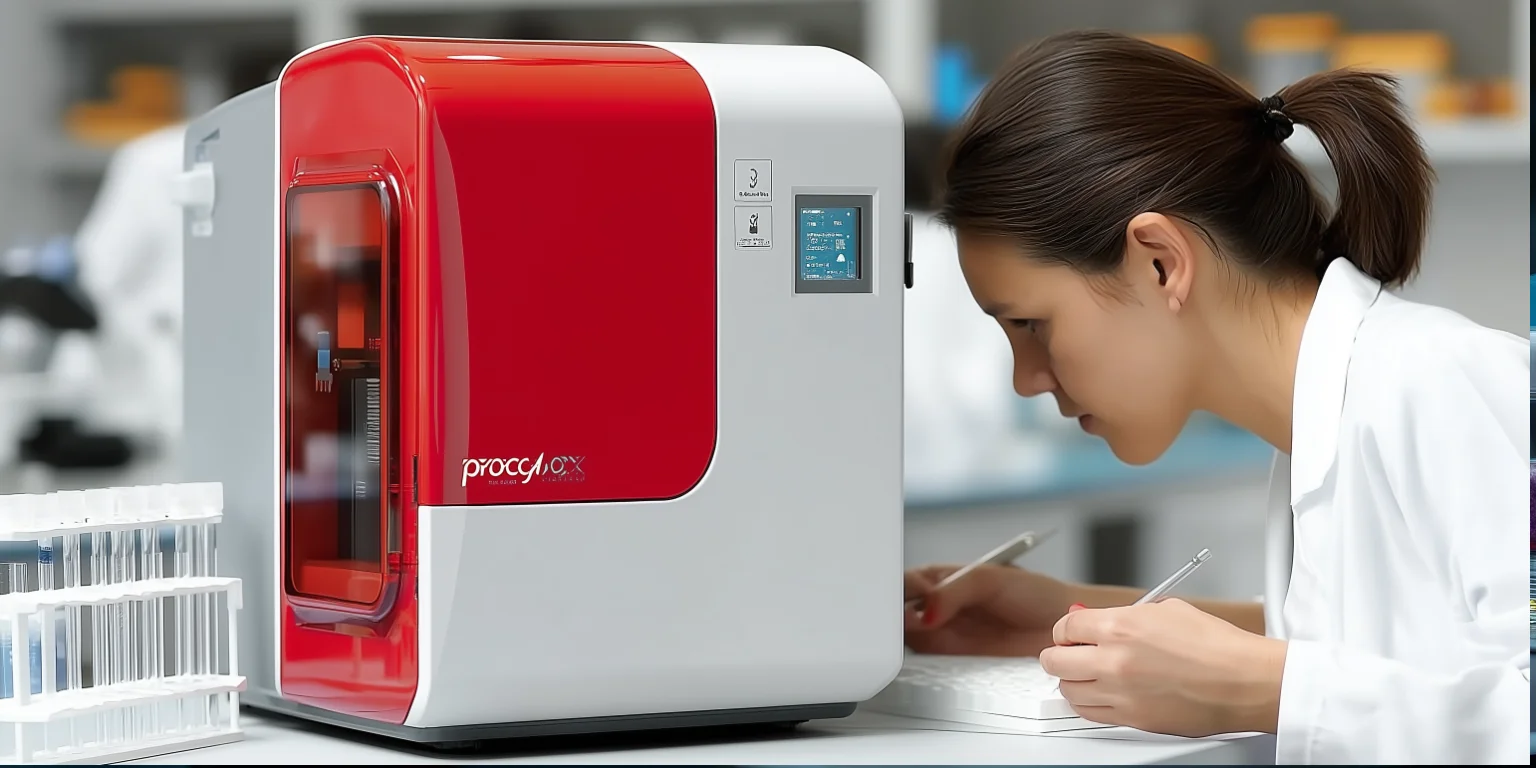
At North Hill Veterinary Clinic, we use advanced hematology analyzers. These machines use laser technology to count thousands of cells in seconds. They also look at the size and shape of the cells, which can give us clues about bone marrow health.
3. The Blood Smear (The Manual Check)
Sometimes, the machine gives us a result that needs a human eye. In these cases, our vets create a “blood smear”—spreading a drop of blood on a glass slide to look at it under a microscope. This allows us to see if the cells look abnormal (e.g., misshapen cells that might suggest immune disease).
If your pet has been seeming “off” lately, or is due for their senior check, call North Hill Veterinary Clinic to schedule an appointment.