When your pet gets a small scratch, you expect it to stop bleeding on its own. It’s a process we take for granted, but it is actually a complex biological miracle called Coagulation (or clotting).
However, there are times when this “internal repair kit” fails, or when we need to be absolutely certain it is working perfectly before we perform a procedure.
At North Hill Veterinary Clinic, Coagulation Testing is a critical diagnostic tool we use to save lives. Whether it is a planned safety check or an emergency investigation, here is what you need to know about how we assess your pet’s ability to clot.
What is Coagulation Testing?
Coagulation is not just one thing; it is a domino effect. When a blood vessel is damaged, the body responds in two main waves:
Primary Hemostasis: Platelets (tiny blood cells) rush to the site to form a temporary plug.
Secondary Hemostasis: A series of proteins called “Clotting Factors” work together to build a strong mesh (fibrin) over the plug to seal the wound permanently.
A Coagulation Test (often called a “Coag Profile” or PT/aPTT) doesn’t count cells; it measures time. It tells us exactly how many seconds it takes for your pet’s blood to form a solid clot. If the timer runs too long, we know there is a problem.
When Do We Recommend It?
Unlike routine blood work, coagulation testing is usually requested for specific, often urgent, reasons:
1. Suspected Rat Bait Poisoning
This is the most common reason we run this test in emergencies. Rodenticides (rat poison) work by depleting the body of Vitamin K, which is needed to make clotting factors. A dog may eat the bait but look fine for 2-3 days. A coagulation test tells us if their blood is thinning dangerously before internal bleeding becomes fatal.
2. Snake Bites
In Australia, snake venoms (especially from Brown Snakes and Tiger Snakes) often attack the clotting system, leading to “consumptive coagulopathy” (where the body uses up all its clotting factors instantly). This test helps us diagnose a bite and monitor recovery after Antivenom.
3. Pre-Surgery Safety (Breeds at Risk)
Certain breeds, such as Dobermans, are prone to a genetic disorder called Von Willebrand Disease (a reckless bleeder condition). Our Vets may recommend a clotting check before de-sexing or major surgery to ensure they won’t bleed excessively during the operation.
4. Unexplained Bruising
If you notice strange bruises on your dog’s gums, belly, or ears, or if they have a nosebleed that won’t stop, we run this test immediately to see if the clotting system has shut down.
What to Expect During Your Visit
Because the clotting system is so sensitive, the way we collect the sample is very important.
1. The “Clean” Stick
To get accurate results, we need a blood draw that is smooth and quick. If we struggle to find the vein, the clotting process might start inside the needle, ruining the test.
We will often shave a small patch on the neck (jugular vein) or foreleg.
We need your pet to be very still, so our nurses will hold them securely.
2. The Equipment
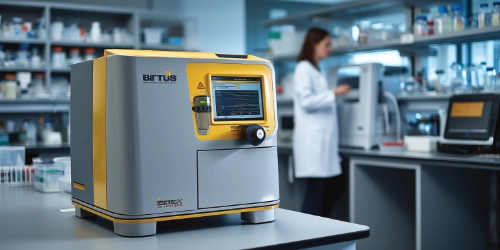
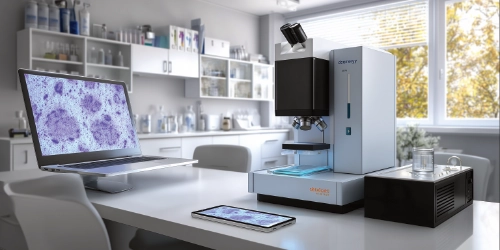
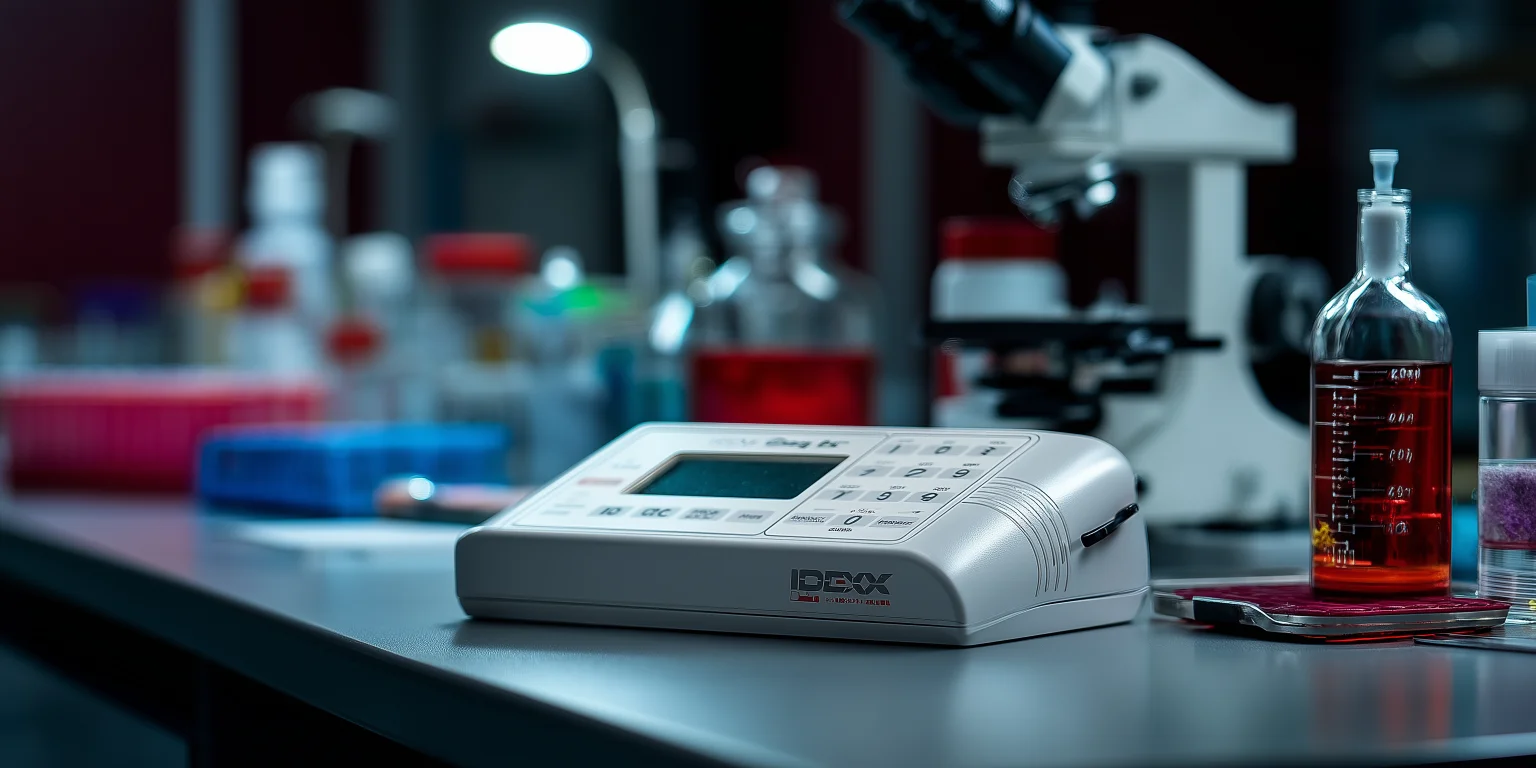
We use specialized analyzers that simulate the body’s temperature and chemical environment.
PT (Prothrombin Time): Tests the “Extrinsic” pathway (vital for Rat Bait diagnosis).
aPTT (Activated Partial Thromboplastin Time): Tests the “Intrinsic” pathway (vital for genetic issues like Hemophilia).
3. The Results
Time is of the essence.
In-House: For emergencies (like snake bites or active bleeding), we can often run tests onsite to get answers in minutes.
Laboratory: For genetic screening or specialized factor analysis, we may send samples to a pathologist.
If you suspect your pet has ingested rat bait or has been bitten by a snake, please call North Hill Veterinary Clinic immediately—do not wait for symptoms to appear.