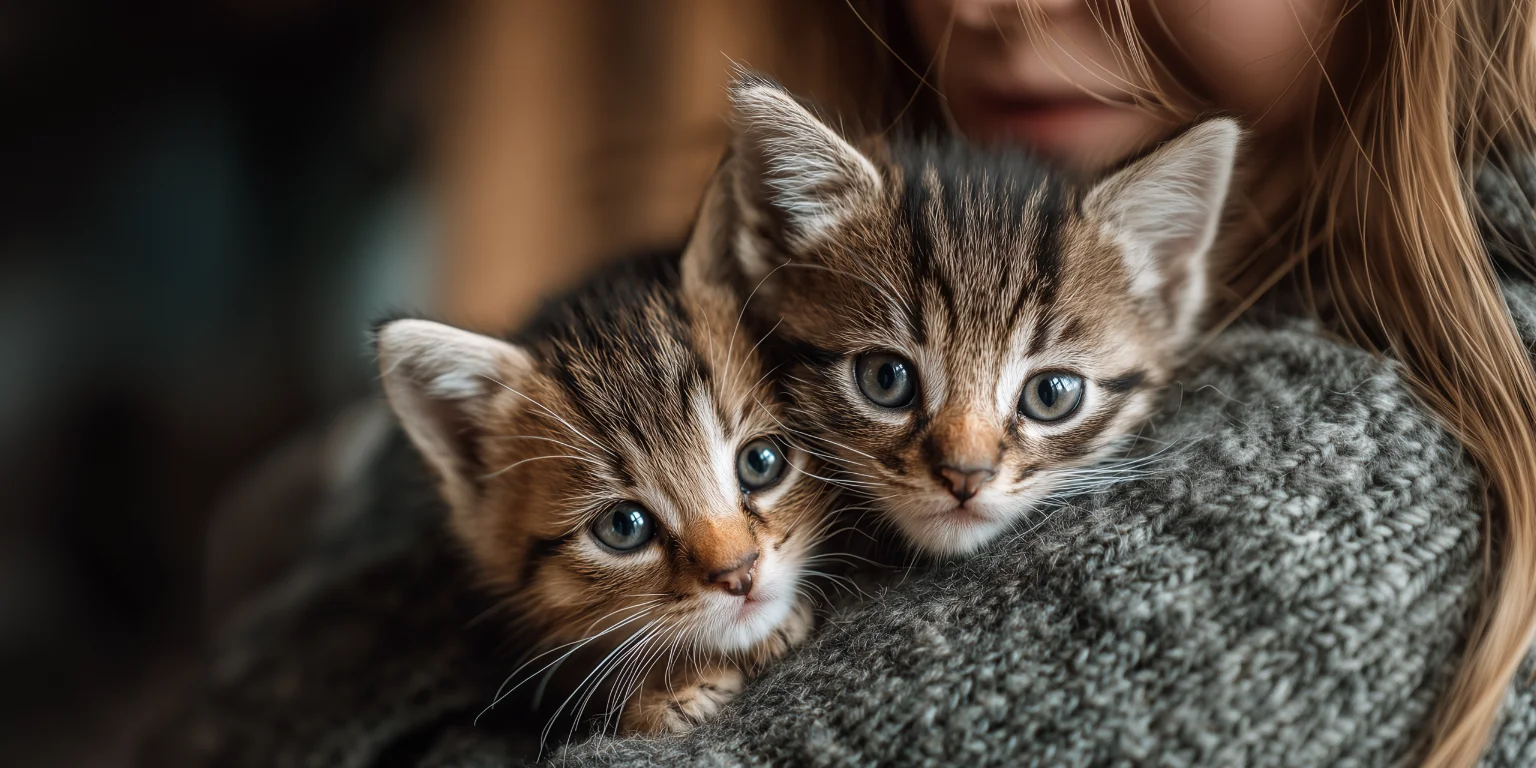
Your kitten will need to start an early vaccination schedule to help combat common infectious diseases and viral infections. Once vaccinated, your cat develops antibodies that helps protect them from outbreaks from these potentially life-threatening illnesses.
Common Diseases and Cat Vaccines
Core – Feline Vaccines (F3)
Life-threatening diseases that are prevalent in Australia are covered by what is commonly called the F3 vaccine. This is a core cat vaccine recommended for all animals in Armidale, regardless of their lifestyle.
- Feline Panleukopenia Virus(Feline Parvovirus): A severe and highly contagious viral disease that is often fatal, especially in kittens. It attacks the intestines and bone marrow, causing uncontrollable vomiting, bloody diarrhoea, severe abdominal pain, and depression. The virus is very resilient and can survive in the environment for months.
- Feline Herpes Virus & Feline Calicivirus (Cat Flu): These two viruses are responsible for about 90% of “cat flu” cases, a highly contagious respiratory disease. Symptoms include sneezing, coughing, eye and nasal discharge, and painful tongue ulcers. While vaccinating significantly reduces the severity of the illness, it may not prevent being infected entirely, and recovered cats can become lifelong carriers who show symptoms again when stressed.
Non-Core Feline Vaccines
These cat vaccines are recommended for cats based on their lifestyle and risk of exposure, particularly if they spend time outdoors and are also classed as communicable diseases.
- Feline Immunodeficiency Virus (FIV): Often called Feline AIDS, this virus attacks the immune system, leaving the cat vulnerable to other infections. It is not transmissible to humans. The virus is spread primarily through deep bite wounds during fights, so the vaccine is highly recommended for any cat with outdoor access.
- Feline Leukaemia Virus (FeLV): This virus also attacks the immune system and can lead to fatal infections and cancer. It is spread through “friendly” contact like mutual grooming and sharing food bowls. The vaccine is recommended for cats in multi-cat households or those with outdoor access in high-density areas.
- Chlamydia felis: A bacterial infection that causes severe and persistent conjunctivitis (eye inflammation), especially in kittens and multi-cat environments like catteries.
Kitten Vaccinations and Schedules
Kittens, just like puppies, gain some temporary immunity from their mother’s milk, but this protection declines from around 6-8 weeks of age, which is when vaccinations should begin. A series of vaccinations is necessary to overcome the interference from maternal antibodies and build a kitten’s own robust immunity. While the exact vaccination schedule can vary, it generally follows this timeline :
- First Vaccination (6-8 weeks old): This is the core F3 vaccination.
- Second Vaccination (10-12 weeks old): A booster F3 vaccination is given. For any kitten that will have outdoor access, we begin the FIV vaccination course at this visit.
- Third Vaccination (14-16 weeks old or older): A final F3 booster is given to ensure the kitten’s immune system is fully primed. This visit also includes the second FIV shot for at-risk kittens.
- Final FIV Vaccination (if required): The FIV course is completed with a third injection 2-4 weeks after the previous one.
Adult Cat Vaccinations and Schedules
Once your cat has completed their kitten vaccination course, just like vaccination of dogs , their immunisation needs to be regularly maintained throughout their adult life. A booster vaccination schedule will maintain lifelong immunity, and adult cats should follow a regular schedule after completing their initial kitten vaccinations.
- First Annual Booster Vaccine (at approx. 15 months old): All cats require their first major booster vaccination 12 months after their final kitten shot. This visit is to ensure the immunity established in their first year is strongly reinforced.
- Ongoing Core F3 Vaccination (Annually): The F3 vaccine protects against severe and common diseases. To ensure protection is maintained, an annual booster is recommended for all cats.
- Ongoing FIV (Feline AIDS) Vaccination (Annually): Protection against Feline Immunodeficiency Virus (FIV) requires an annual booster. This is strongly recommended for any cat that goes outside, even just in the backyard, as the virus is commonly spread through bites from other cats.
When is your cat required to be Vaccinated?
For most cat owners, the mandatory vaccination requirements come from using any professional pet service. These are non-negotiable policies put in place for the health and safety of all animals.
- Boarding Catteries: Catteries across Australia will not accept a cat without proof of a current F3 vaccination. The vaccines must have been administered at least 10-14 days prior to the start of the boarding period. This policy prevents outbreaks of contagious diseases like Cat Flu in a high-density environment.
- Grooming & Pet-Sitting Services: Many professional cat groomers and pet-sitting businesses also require clients to provide proof of current vaccinations to protect their staff and other animals in their care.
- Rental Agreements: If you are renting, the landlord or body corporate of a pet-friendly property may include mandatory, up-to-date vaccinations as a clause within your tenancy agreement.