Our pets are experts at many things—unconditional love, naps, and playing fetch—but they are not very good at telling us when they feel unwell. In fact, cats and dogs are evolutionary masters at hiding signs of illness until the problem is quite advanced.
At our Armidale vet clinic, we believe in giving your pet a voice. One of the most powerful tools we have to “listen” to what is happening inside their body is Biochemistry Testing.
Whether it is for a routine senior check, pre-surgical safety, or investigating an illness, here is what you need to know about this essential diagnostic tool.
What is Biochemistry Testing?
While a “Complete Blood Count” (CBC) looks at the cells in the blood (red and white blood cells), Biochemistry looks at the chemicals and enzymes floating in the fluid part of the blood.
Think of it like checking the fluids and gauges in your car. It tells us how well the specific components of the “engine” are running.
When we run a biochemistry panel, we are primarily evaluating the function of major organs:
Kidneys: We look for waste products (like Creatinine and Urea) that the kidneys should be filtering out. If levels are high, the kidneys might be struggling.
Liver: We measure enzymes that leak into the blood if the liver is damaged or stressed.
Pancreas: We check for inflammation (Pancreatitis) or issues with digestion.
Blood Sugar (Glucose): Essential for diagnosing Diabetes or hypoglycemia.
Proteins & Electrolytes: These tell us about hydration status, immune system health, and gut function.
When Do We Recommend It?
You might be surprised to be offered blood work even if your pet seems healthy. Here is why we recommend it in different scenarios:
1. Pre-Anesthetic Safety
Before any surgery (even a routine de-sexing or dental), we want to ensure your pet’s kidneys and liver can process the anesthetic drugs safely. It minimizes risk and gives you peace of mind.
2. The “Not Quite Right” Pet
If your dog is drinking more water than usual, or your cat has lost a bit of weight, biochemistry helps us rule out major issues like kidney disease or diabetes.
3. Senior Wellness
For pets over 7 years old, organ function can change quickly. “Normal” blood work gives us a great baseline, while slight changes allow us to catch disease early, often before your pet shows any physical symptoms.
What to Expect During Your Visit
We know that needles can be a source of anxiety for owners (and sometimes pets!), but our team is trained to make the process quick and gentle.
1. Preparation (The Fast)
For the most accurate biochemistry results, we usually ask that your pet be fasted for 8 to 12 hours before the appointment.
Why? After eating, fats (lipids) enter the bloodstream. This can make the blood sample “cloudy” (lipemic), which interferes with the machine’s ability to read the results accurately.
Tip: Water is always fine! Just pick up the food bowl the night before.
2. The Collection
We will take your pet into our treatment area where we have excellent lighting and non-slip tables. We usually draw a small amount of blood from the jugular vein (neck) or the cephalic vein (front leg). Most pets are so distracted by our nurses giving them pats (or treats, if fasting isn’t strictly required) that they barely notice the scratch.
3. The Results
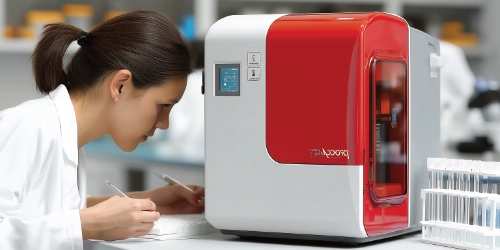
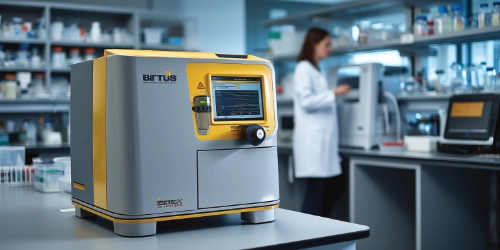
We are equipped with in-house laboratory equipment , meaning we can often discuss the results with you within the same day.